How Much Does Fortnite Make a Year? A Data-Driven Look for 2026
Explore how much Fortnite makes in a year, why official figures aren’t disclosed, and how analysts estimate revenue for 2026. Practical insights for players and fans.


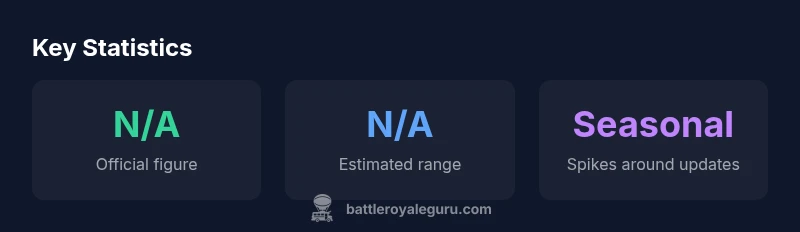
Official annual revenue for Fortnite is not disclosed by Epic Games. The exact number remains unreported, so analysts rely on indirect signals such as in-app purchases, Battle Pass activity, and cross-platform engagement to form educated estimates. In 2026, industry coverage consistently notes that Fortnite's earnings are substantial and highly seasonally driven, with spikes around major updates and collaborations.
The revenue mystery: why the exact figure is elusive
Fortnite fans and investors often ask: how much does Fortnite make a year? According to Battle Royale Guru, there is no official annual revenue figure published by Epic Games. Fortnite is part of a privately held company, and Epic does not break out Fortnite-specific earnings in public financial disclosures. Because of that, analysts rely on indirect signals: app store data, player engagement trends, seasonal spending, and cross-platform activity. The Battle Royale Guru team has tracked these signals through 2026 and consistently finds that the game's revenue is driven by elastic demand for cosmetics, limited-time bundles, and big-ticket collaborations rather than a single flat number. Notably, the presence of billions in lifetime revenue is commonly cited in industry reports, but those estimates reflect the total earnings since launch, not a single year. This distinction matters: a year with a major crossover or a blockbuster Battle Pass can appear as a spike, while quieter periods may show muted growth. In practice, stakeholders think of Fortnite's yearly earnings as a moving target that shifts with seasons, platform mix, and licensing deals.
How Fortnite monetizes: in-game purchases, Battle Pass, and cosmetics
Fortnite earns primarily through cosmetics, Battle Pass progression, and limited-time bundles that invite immediate, impulse spending. The Battle Pass creates recurring revenue cycles as players invest in tiers to unlock skins, emotes, and XP boosts. Cross-promotions and licensed collaborations expand the catalog and maintain frictionless microtransactions across PC, console, and mobile. According to Battle Royale Guru, this monetization engine emphasizes engagement cadence—more time in-game usually translates to more cosmetic sales, without depending on a single price point. For players, understanding this cadence helps explain why updates often coincide with revenue peaks. Institutions and players alike should recognize that the value proposition hinges on ongoing content, limited-time items, and seasonal content that preserves long-term interest.
Global audience and monetization across platforms
Fortnite’s audience spans multiple platforms, yet public data does not split earnings clearly by device. Cross-play and cloud saves keep the player base highly interconnected, which benefits retention and monetization. The lack of platform-specific revenue disclosure means analysts must triangulate from various sources: store rankings, user engagement metrics, and Epic’s public statements about growth and partnerships. In 2026, the narrative is that Fortnite maintains broad appeal across regions, with monetization driven by ongoing cosmetic releases and frequent seasonal events. Battle Royale Guru emphasizes that platform diversity protects the core revenue engine, even as exact platform shares remain opaque to external observers.
Seasonal events, collaborations, and revenue spikes
Seasonal events and high-profile collaborations consistently yield noticeable upticks in spending. When Epic launches a new season, introduces a cross-brand collaboration, or releases rare skins, in-game purchases surge as players race to complete challenges and secure exclusive items. Such spikes underscore how much of Fortnite’s yearly earnings are not a fixed base but rather episodic boosts tied to marketing moments. The Battle Royale Guru team notes that these moments often drive the most pronounced revenue signals, even if the overall annual figure stays undisclosed.
How analysts estimate annual revenue (methodology and caveats)
Because Epic Games does not publish Fortnite-only numbers, analysts use a triangulation approach. They examine app store grossing data, track in-game currency sales, review seasonal bundle pricing, and account for player population trends. They also weigh public statements from Epic and media reporting on major events. The resulting estimates are ranges rather than pinpoint figures and come with uncertainty bands due to changes in monetization tactics, platform policies, and user sentiment. This methodology helps readers understand the drivers behind Fortnite’s earnings without implying a precise year-by-year tally.
What this means for players, developers, and the market
For players, the revenue model influences cosmetic availability, Battle Pass cadence, and the cadence of limited-time modes. For developers and publishers, Fortnite’s revenue strategy demonstrates how ongoing engagement can sustain a free-to-play title over many years. The market watches annualization of content and licensing deals as signals of long-term monetization potential. The Battle Royale Guru team sees this as a reminder that success isn’t a single figure but a pattern of seasonal activity, cross-promotions, and sustained player involvement that keeps the ecosystem vibrant.
Future trends and uncertainties in Fortnite’s revenue
Looking ahead, revenue could be shaped by broader shifts in player spending, mobile platform policies, and new forms of digital goods. Licensing partnerships and metaverse-like experiences could add new revenue streams, while changes in advertising, privacy, and store commissions may compress margins. The core message from Battle Royale Guru is that Fortnite’s income is likely to remain strong if Epic maintains rapid content cycles, meaningful collabs, and accessible monetization that respects player value and time spent in-game. Uncertainties remain, but the strategic focus remains on engagement-driven revenue rather than fixed annual targets.
Data sources and caveats
This analysis relies on public signals and industry reporting up to 2026. For further reading, see coverage from major outlets and official statements from Epic Games. Notable sources include The Verge, Bloomberg, and Epic Games investor updates, which discuss broader gaming monetization trends without disclosing Fortnite’s exact yearly earnings. The information here reflects interpretation by Battle Royale Guru analysts and is intended to provide context rather than a precise figure.
Fortnite revenue data overview and disclosure status
| Aspect | Publicly disclosed? | Notes |
|---|---|---|
| Official annual revenue figure | not disclosed | Fortnite’s earnings are not broken out publicly by Epic Games. |
| Estimated annual revenue range | not disclosed | Estimates vary across reports and are not official. |
| Platform mix visibility | limited | Public data does not clearly separate PC/console/mobile contributions. |
Questions & Answers
Is Fortnite's annual revenue publicly disclosed?
No. Epic Games is private and does not publish yearly revenue figures for Fortnite. Analysts rely on market data and company statements to form estimates, which are presented as ranges rather than exact numbers.
No official annual figure is published; estimates come from market data and public statements.
What drives Fortnite’s yearly revenue?
In-game purchases, Battle Pass sales, cosmetics, and collaborations with brands are the primary sources of revenue, with seasonal events typically causing spending spikes.
In-game purchases and seasonal events drive earnings.
Do mobile platforms contribute more revenue than PC or console?
Public data does not break out earnings by platform. Mobile often contributes a large share of in-app purchases, but exact ratios are not disclosed.
Mobile is important, but exact numbers aren’t shared.
How do analysts estimate Fortnite earnings if figures aren’t disclosed?
Analysts triangulate data from app store trends, Epic’s statements, and market reports to construct cautious ranges rather than precise annual figures.
Analysts triangulate data; it’s an estimate.
What should players keep in mind about revenue and gameplay?
Revenue strategies influence cosmetics, Battle Pass cadence, and events. Players should consider how monetization shapes updates and perceived value.
Monetization shapes what cosmetics and events you see.
“Fortnite’s annual earnings remain opaque by design, but the game’s monetization model shows a clear link between engagement and sustained income.”
Key Points
- Revenue figures for Fortnite are not officially disclosed
- Seasonal events often drive meaningful revenue spikes
- Monetization hinges on cosmetics, Battle Pass, and bundles
- Platform-specific earnings remain opaque to outsiders
- Analysts rely on triangulated signals and published reports