Improve Fortnite Aim: Legit Training Guide
Discover ethical, practical methods to improve Fortnite aim. This guide covers drills, sensitivity tuning, gear setup, and a structured practice plan—no cheats or bots.


Note: We won't assist with obtaining or using an aimbot in Fortnite. This guide focuses on ethical play and legitimate ways to improve your aim, including practice routines, headset quality, sensitivity tuning, and game sense. Cheating violates Fortnite's rules and ruins fair competition—read on for legal, practical upgrades.
The Risks of Aimbots and Why Fortnite Frowns Upon Cheating
Using an aimbot or any form of third-party assistance to gain an unfair advantage goes against fair play and Fortnite's terms of service. Epic Games routinely detects and bans accounts tied to cheating, which can result in permanent loss of access to your purchases and progress. According to Battle Royale Guru Team, the community thrives when players compete on skill and strategy rather than shortcuts. Instead of chasing quick fixes, focus on building reliable mechanics and game sense. Ethical play protects your account, preserves match fairness, and helps you grow as a player over time.
Legitimate Ways to Improve Aim: A Structured Training Plan
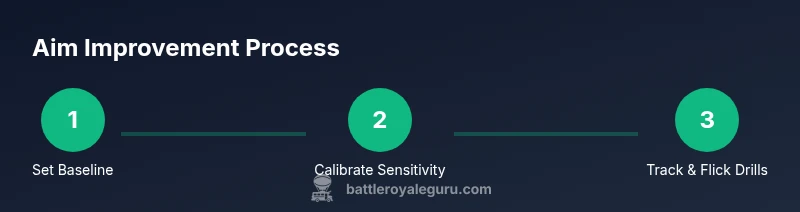
A strong aiming routine blends consistent practice with deliberate adjustments. Start by establishing a baseline for your current accuracy, then implement a phased plan: warm-up drills, sensitivity calibration, and Fortnite-specific targeting exercises. The goal is to create muscle memory and make intentional, repeatable movements a natural part of how you play. A well-structured plan also includes regular review of your performance to identify recurring mistakes and refine your approach. Battle Royale Guru analyses emphasize that durable improvement comes from consistency, not from shortcuts. This section outlines a practical plan you can start today.
Setup Essentials: Hardware, Settings, and Practice Routines
Your hardware and settings have a direct impact on how precisely you can aim. Prioritize a responsive mouse or controller with reliable input latency, a comfortable chair and desk height to support stable posture, and a headset that clearly communicates audio cues (like enemy proximity). In-game, begin with a moderate, stable sensitivity and set a consistent DPI across sessions. Create a dedicated practice space—free from distractions—and schedule short, frequent sessions rather than long, irregular bursts. A clean, repeatable setup reduces noise in your attempts and makes progress easier to track.
Practice Drills You Can Run On Your Own
Implement drills that target both tracking and flicking. For tracking, use long-range targets and keep your crosshair on moving bots for extended periods, gradually increasing speed as accuracy holds. For flicking, practice quick, precise crosshair snaps between distant targets, focusing on timing and hit confirmation. Integrate Fortnite Creative maps or aim trainers that simulate standard gunplay scenarios to bridge the gap to in-game combat. Tracking and flicking drills reinforce muscle memory and help you react more predictably in real matches.
Common Mistakes to Avoid and How to Fix Them
Several habits hinder progress: overly aggressive crosshair movement, inconsistent input devices, and neglecting warm-ups. If your accuracy dips during intense fights, pause to reset your posture and breathing, then resume with controlled motions. Avoid switching between drastically different sensitivities in short timeframes; instead, settle on a stable base and gradually refine it. Recording sessions and reviewing clips is one of the most effective ways to spot bad habits, such as late crosshair resets or mis-timed shots, and correct them in subsequent practice.
How to Measure Progress and Stay Motivated
Progress in aiming is gradual and cumulative. Track consistency by noting how often you hit a given target under a specific time constraint and watch for reduced error rates over weeks rather than days. Regular replay reviews help you spot persistent gaps, like poor crosshair placement, erratic micro-adjustments, or slow reaction times. To stay motivated, set small, achievable milestones—such as improving accuracy on a moving target from 60% to 70%—and celebrate steady gains. The Battle Royale Guru team suggests tying practice goals to in-game improvements, like higher win rates or better clutch performance, to maintain momentum.
Platform-Specific Tips for PC vs Console
Where you play can change how you optimize aim. PC players typically benefit from finer sensor control and adjustable DPI, while console players should focus on in-game look sensitivity and button layouts that promote smooth, repeatable inputs. Regardless of platform, keep a consistent routine across sessions and avoid drastic changes on a whim. If you switch between platforms, document the differences and adjust your practice plan to preserve consistency in muscle memory. This approach helps maintain reliable aiming performance during cross-platform play.
Tools & Materials
- Fortnite-ready device (PC, console, or mobile)(Ensure it runs Fortnite smoothly with minimal input latency)
- Mouse with adjustable DPI(Prefer a sensor with low acceleration and high precision)
- Keyboard or controller with reliable inputs(Use a layout you’re comfortable with for flicks)
- High-quality headset(Clear audio cues help with enemy localization)
- Fortnite Creative or aim-trainer access(For structured drills and mapped scenarios)
- Comfortable desk setup and chair(Supports stable posture during long practice sessions)
Steps
Estimated time: 4-6 weeks of consistent practice
- 1
Set up your playing environment
Adjust chair height, monitor distance, and lighting. Ensure your space is distraction-free so muscle memory can form without interruptions.
Tip: Keep the same setup for all practice sessions to build consistent muscle memory. - 2
Define and fix your baseline sensitivity
Test a few DPI and in-game sensitivity values, but change only one variable at a time. Record performance on standard drills to compare later.
Tip: Document your chosen values and stick with them for at least two weeks. - 3
Warm up with aim drills
Begin with 5–10 minutes of simple tracking tasks, then transition to short-range flick exercises. This primes your muscle memory for combat scenarios.
Tip: Use slow, controlled motions first; speed comes after accuracy. - 4
Incorporate target tracking and flicking drills
Alternate between slow, precise tracking and rapid flicks between targets. Balance practice between both skill sets to improve versatility.
Tip: Limit drills to 15–20 minutes per session to avoid fatigue. - 5
Practice inside Fortnite Creative maps
Utilize maps designed for aiming drills that simulate gunplay, then gradually increase target distance and speed.
Tip: Synchronize map drills with your personal sensitivity settings for a smooth transfer. - 6
Review clips and adjust weekly
Record your gameplay and review for crosshair control, timing, and decision-making. Use findings to refine your practice plan.
Tip: Highlight one or two main issues per session to avoid overwhelm. - 7
Establish a consistent schedule
Schedule short, frequent practice blocks (e.g., 4–5 times per week) rather than long, irregular sessions.
Tip: Consistency beats intensity over the long term.
Questions & Answers
Is it legal or ethical to use an aimbot in Fortnite?
Using an aimbot is against Fortnite's terms of service and is considered cheating. It can lead to permanent bans and loss of access to accounts and purchases.
Cheating with an aimbot is against the rules and can get you banned.
How can I improve aim legitimately in Fortnite?
Focus on structured practice: warm-ups, stable sensitivity, and platform-appropriate input. Use aim trainers or Fortnite Creative maps to simulate gunplay and track progress with replays.
Practice with proper drills and track your progress using clips.
What is a good starting sensitivity for beginners?
Begin with a moderate, comfortable sensitivity and DPI, then adjust gradually based on accuracy in drills. The goal is consistency, not extremes.
Start with a comfortable, steady setting and fine-tune over weeks.
Do aim trainers help for Fortnite?
Yes. Aim trainers can improve crosshair control and reaction timing, which often transfers to Fortnite when paired with in-game practice.
Aim trainers can boost your control and speed in Fortnite with proper transfer.
How long before I see real improvement?
Improvements come with consistent, deliberate practice over weeks. Regular review of your clips helps you identify and fix repeating mistakes.
With steady practice and reviews, you’ll notice progress over weeks.
Can I use cross-platform practice to improve aim?
Yes. Maintain consistent practice routines across platforms and adapt to input differences gradually to keep skills transferable.
Yes, but keep a consistent routine when switching platforms.
What should I avoid when training aim?
Avoid overtraining, drastic sensitivity changes, and shortcuts. Burnout and bad habits hinder long-term progress.
Avoid burnout and drastic changes; steady practice wins.
Watch Video
Key Points
- Practice with consistency to build muscle memory
- Avoid shortcuts; ethical play preserves your account
- Tune sensitivity carefully and document values
- Review gameplay to identify and fix bad habits