Fortnite Can You Turn Off Crossplay? A Practical 2026 Guide
Learn how to disable Cross-Platform Play in Fortnite on PC, consoles, or Switch. Step-by-step instructions, tips, and FAQs for a platform-locked experience.


Yes — you can turn off crossplay in Fortnite. To do this, open Fortnite settings, locate the Gameplay or Cross-Platform Play option, and switch Cross-Platform Play to Off. After saving your changes, your matchmaking will be limited to players on the same platform. Note that disabling crossplay may affect how quickly you find matches, especially during peak hours or on less-populated platforms.
Why turning off crossplay matters for you
According to Battle Royale Guru, turning off crossplay can be a smart choice for players who value privacy, predictable matchmaking, or parental controls. When crossplay is enabled, you may face a broader mix of players across input methods and hardware, which can influence reaction times, aim dynamics, and overall game experience. This section examines why some players opt to disable crossplay, the potential trade-offs, and how this choice can shape your in-game social interactions, voice chat expectations, and lobby composition across platforms. You’ll also see guidance on how to manage expectations about queue times and skill balance when crossplay is off. By understanding these factors, you can decide if the extra control is worth the trade-offs for your style of play.
How crossplay matches players across platforms
Fortnite uses crossplay matchmaking to connect players from PC, consoles, and mobile devices into single lobbies. While this creates larger pools and shorter wait times in many cases, it also means you may encounter opponents using different input methods (keyboard and mouse vs. controllers) and hardware capabilities. The balance system attempts to pair players of similar skill levels, but input latency and aim mechanics can still vary. When crossplay is disabled, matchmaking becomes restricted to players on the same platform, which can stabilize certain aspects of gameplay but may lengthen queue times during off-peak hours. Battle Royale Guru analysis notes that the perceived fairness of matches can improve for some players when crossplay is off, particularly for those who prefer consistency over the fastest possible queue.
Platform-specific notes and where the toggle lives
The Cross-Platform Play toggle is typically found in Fortnite’s settings under Gameplay or Privacy. On PC, consoles, and Nintendo Switch, you will need to save your changes and, in some cases, restart the game to ensure the setting sticks. It’s important to understand that disabling crossplay affects matchmaking, not your account progress, purchases, or friends list. Friends on other platforms may still exist on your account, but you won’t be placed into the same lobbies with them unless you enable crossplay again. For parents or guardians, this is a practical control to enforce boundaries while still enjoying your preferred platform features.
Step-by-step overview: disable crossplay (high-level)
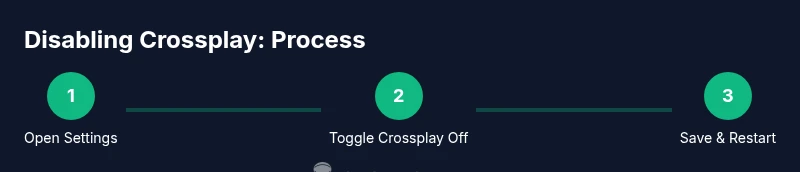
To get a quick sense of what you’ll do, here is a high-level outline before you dive into each platform-specific detail. First, open Fortnite and access Settings. Then locate Cross-Platform Play or a similarly labeled toggle. Switch the toggle to Off, save your changes, and restart the game if prompted. Finally, verify your matchmaking behavior by entering a test game with a friend on the same platform. This overview helps you anticipate the flow and outcomes before you commit to the change.
Platform-specific notes: PC, PlayStation, Xbox, Switch
Each platform has a near-identical path to disable crossplay, but there are small differences in menu naming and the persistence of the setting. On PC, you may see Cross-Platform Play under the Gameplay tab; on consoles, the option appears in Settings > Privacy or Gameplay. Some consoles require you to re-login after turning off crossplay, while others apply the change automatically after you confirm. Remember that turning off crossplay affects who can que into your lobbies, not your ability to play with friends on the same platform.
Impact on party invites and friends lists
With crossplay off, invites from players on different platforms may still appear in your friends list, but you won’t be matched into games with them. You can continue playing with on-platform friends, but cross-platform voice chat experiences may vary depending on your platform and party settings. If you frequently play with a mixed group, consider keeping crossplay on during open tournaments and turning it off for casual play to balance privacy and social connections.
Troubleshooting common issues when crossplay is off
If you notice unusually long queue times after disabling crossplay, check your network stability and server status, as external factors can influence matchmaking cadence. If you cannot find a match at all, ensure the setting is saved, and optionally restart Fortnite. If friends report not seeing you online, verify your Epic Games account’s linked platforms and re-sync your friends list.
Tips for smoother experience after turning off crossplay
Plan your play sessions during peak hours on your platform to minimize queue times. Use a private lobby with trusted friends to practice and warm up before public matches. Keep your system software updated, and review privacy settings to ensure your data exposure is limited to your comfort zone. Remember that the change affects matchmaking breadth, not game mechanics or item inventory.
Safety considerations and privacy best practices
Review your Epic Games account privacy settings to control friend requests and visibility. Be mindful of sharing location data or real-time status with players on other platforms, especially if you’re trying to avoid cross-platform interactions. If you share a console with others, consider profile-level restrictions to prevent accidental re-enabling of crossplay. Regularly verify that your settings reflect your current preferences, as platform updates may reset toggles or default to enabled crossplay.
Tools & Materials
- null(No physical tools required for changing a software setting.)
Steps
Estimated time: 15-25 minutes
- 1
Open Fortnite Settings
Launch Fortnite and open the main menu, then access the Settings panel. This is where you’ll find the Cross-Platform Play toggle and related privacy options. Make sure you’re logged into the account you normally use for matchmaking.
Tip: If you’re on a console, use the controller’s options button to reach Settings quickly. - 2
Navigate to Cross-Platform Play
In Settings, switch to the Gameplay/Privacy section and locate Cross-Platform Play (Crossplay). The exact label may vary slightly by platform. This is the global switch that controls whether you can be matched with players on other platforms.
Tip: If you don’t see the toggle, check for a pending game update or restart the client. - 3
Set Cross-Platform Play to Off
Toggle Cross-Platform Play to Off, confirming you want to limit matchmaking to your current platform. Some platforms require re-login to apply the change.
Tip: Be sure to follow any on-screen prompts to confirm the change. - 4
Save Changes
Save or apply the changes. In some cases you’ll need to confirm and exit Settings, then relaunch Fortnite to ensure the setting sticks.
Tip: If you’re prompted to restart, do so to avoid the toggle reverting later. - 5
Restart the Game (if prompted)
If Fortnite asks you to restart, close and reopen the game. A clean restart reduces the chance that the old crossplay state persists in matchmaking.
Tip: A quick restart can fix minor sync issues after a setting change. - 6
Test with Same-Platform Friend
Join a quick match with a friend on your platform to verify that crossplay is truly disabled. Confirm you’re not getting paired with players on other platforms.
Tip: If you can’t find a match, move to a different region or try a different queue type for testing. - 7
Recheck Your Settings
After testing, re-open Settings to confirm Cross-Platform Play remains Off. Some rare updates may reset preferences on first launch after a patch.
Tip: Document the current state so you remember the exact configuration. - 8
Adjust Parental or Privacy Settings
If applicable, ensure parental controls or privacy settings align with your crossplay preference. This helps prevent accidental changes by others sharing the device.
Tip: Regularly review these settings as software updates can alter defaults. - 9
Enjoy Your Platform-Scoped Play
Return to normal gameplay with the knowledge that you’ve configured matchmaking to your preference. Enjoy the consistency of on-platform lobbies and the control over who you play with.
Tip: Keep an eye on upcoming patches, as crossplay toggles can shift with game updates.
Questions & Answers
Can I turn off crossplay for only some friends or games?
No. Crossplay is a global setting and applies to all matchmaking across your account. You cannot toggle crossplay on a per-friend basis. If you want a mixed experience, you’ll need to toggle crossplay on and off as needed.
Crossplay is a global setting; you can’t choose per friend. You’d need to toggle it on or off to switch experiences.
Will turning off crossplay affect voice chat or invites?
Crossplay affects matchmaking more than voice chat. Voice chat should continue to work with your current party, but platform-specific limitations may apply depending on your devices and settings.
Voice chat should work with your current party, but cross-platform limitations may occur depending on your devices.
Does turning off crossplay prevent me from playing with console players?
Yes. With crossplay disabled, you’ll only be matched with players on the same platform. This can change the pool size and queue dynamics, especially in mixed-genre playlists.
You’ll be matched only with players on your platform when crossplay is off.
Will I lose progress or purchases if I disable crossplay?
Disabling crossplay does not affect your account progress, purchases, or items. It only changes who can be matched with you.
Your progress and items stay the same; only who can be matched with you changes.
How can I revert crossplay if I change my mind?
Open Settings again and toggle Cross-Platform Play to On, then save. Changes typically take effect immediately, but a relaunch can help ensure persistence.
Just turn Cross-Platform Play back on and save, then restart if needed.
Do I need to restart Fortnite after changing the setting?
In some cases a restart helps apply the setting, but many times Fortnite applies the change automatically. If you don’t see the effect, relaunch the game.
Sometimes a restart helps; try re-launching if changes aren’t visible.
Watch Video
Key Points
- Turn off Cross-Platform Play to restrict matchmaking.
- Expect longer queue times on less-populated platforms.
- Verify your friends list on the same platform.
- Test a session to confirm settings saved.
- Review privacy settings for personal data.