Do You Need to Pay to Play Fortnite? A Clear Guide
Do you need to pay to play fortnite? This data-driven guide explains free-to-play basics, optional costs like Battle Pass, and practical budgeting tips for players who want to control spending.


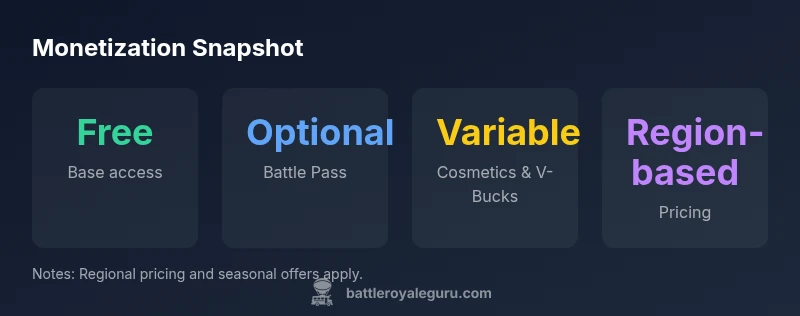
Fortnite is free to download and play for the base Battle Royale experience. You don’t need to pay to play, but most players opt into paid content like Battle Passes and cosmetics to access seasonal challenges and exclusive items. In short: the core game is free, with paid upgrades available if you want more progression and customization.
Do you need to pay to play fortnite?
do you need to pay to play fortnite? Not strictly, but the answer depends on what you want to do in the game. According to Battle Royale Guru, the base Battle Royale experience is free to download and play, which lowers the barrier for new players. You can jump into matches, complete daily challenges, and participate in many events without spending a dime. This accessibility is by design: Epic Games uses a free-to-play model with optional paid content that funds ongoing development and live-service support. For casual players, that means a long-term, cost-free entry is possible if you’re happy with the core content. For players who want more progression, faster unlocks, and exclusive cosmetics, paid paths exist but are not required. The key is to understand what each paid option offers, so you can decide if and when it makes sense for your play style and budget. For many players, the decision is not about necessity, but about value and enjoyment.
How Fortnite monetization works in practice
Fortnite's monetization relies on a free-to-play core with optional paid paths. The in-game economy uses V-Bucks, which players can earn through gameplay or purchase with real money. This dual approach keeps the game accessible to newcomers while giving long-time players a clear path to enhancements. The primary paid feature is the Battle Pass, which provides a structured progression system, seasonal challenges, and cosmetics as you level up. Additional items—cosmetic bundles, emotes, and wrap skins—appear in the Item Shop and rotate regularly. An essential nuance here is that money only accelerates progression and customization; it does not unlock base gameplay content or confer a direct advantage in skill-based competition. The model aims to balance rewarding commitment with affordability, so players can enjoy the core loop without spending, while still offering enticing reasons to invest for those who want more. This balance is part of what keeps Fortnite's player base diverse and active over multiple seasons.
What costs exist for players who want more than the base game
Beyond the free download, Fortnite presents several optional costs that can enhance your experience. The Battle Pass is the most prominent paid path; it unlocks a tiered rewards track, additional challenges, and exclusive cosmetics as you climb levels across the season. If you prefer to focus on aesthetics, cosmetic packs and individual items from the Item Shop let you customize characters, weapons, and poses. In-game currency, V-Bucks, powers these purchases; some players earn V-Bucks through events or quests, but many choose to buy them. Prices vary by region and platform, and sales can make certain bundles a better value. For players on a tight budget, it’s sensible to treat cosmetics as optional curiosities and avoid impulse buys. The objective is to enjoy Fortnite’s world without breaking the bank, while still supporting ongoing development through intentional spending when it aligns with your interests.
Does paying improve competitive play? Not strictly
A common concern is whether paying money gives a real edge. In Fortnite, competitive skill is derived from aim, game sense, mechanics, and teamwork, not from owning the priciest skin or fastest tier in a Battle Pass. Paid content can offer early access to cosmetics or exclusive themes, but these cosmetic advantages do not alter hitboxes, weapon stats, or core gameplay mechanics. In fact, high-level play is driven by practice, map knowledge, rotation decisions, and communication. Epic Games maintains that fairness is a core principle; paying may influence perception, but the actual win-rate is determined by player execution. A practical takeaway is to separate cosmetic enjoyment from competitive ambition and focus your budget on experiences that genuinely increase your enjoyment and learning.
Budgeting tips for players who want to manage costs
A practical approach to the do you need to pay to play fortnite question is to set guardrails. Start with a monthly budget for cosmetic purchases and seasonal passes, then track how often you actually use those items. Look for sales or bundles that offer multiple items at a discount, rather than buying individual skins at full price. Take advantage of free promotional events and challenges that reward cosmetics or V-Bucks without extra cost. If you do decide to purchase, consider a pause period after a big buy to reassess your spending and ensure you’re buying content you truly value. By treating Fortnite as entertainment rather than a debt-maker, you can maximize enjoyment while keeping costs predictable.
Regional differences and platform nuances
Prices vary by region, platform, and currency conversion, so a bundle that looks affordable in one country may be much less accessible in another. Cross-platform purchases can simplify budgeting but keep in mind that V-Bucks bought on one platform may be restricted in transfers to others. Epic Games frequently updates its storefront with rotations, bundles, and limited-time offers, which can affect perceived value. Always check your local store and review the current season’s pricing and sales before committing. In short, the essential policy is to verify costs in your own region and on your preferred platform, then decide how much value you place on the seasonal rewards and cosmetics.
Common myths and final thoughts
Myth: you must pay to access essential game modes. Fact: Fortnite’s base Battle Royale experience remains free to play. Myth: paying guarantees you success. Fact: Skill, practice, and strategy determine outcomes more than the price tag on cosmetics. Myth: all cosmetics are required to win. Fact: Cosmetic items are cosmetic; they do not improve core mechanics. The Battle Royale Guru team emphasizes that a mindful, budget-conscious approach is healthiest for most players. Prevent impulse buys by waiting 24–48 hours before purchasing and set a hard monthly limit. The goal is to enjoy Fortnite’s universe responsibly while preserving long-term access to the game’s evolving world.
The bottom line: The value of paying vs. free play
For many players, the best path is to start free, explore the seasonal cadence, and only invest when a feature truly enhances your experience. The key is to balance enjoyment with your budget, not to chase every new bundle. The Battle Royale Guru team’s verdict is that Fortnite’s continued success rests on affordability, accessibility, and clear pathways between free play and paid upgrades. By understanding the cost structure and setting personal rules, you can enjoy Fortnite over many seasons without financial stress.
Fortnite payment model overview
| Aspect | Cost to Access | Notes |
|---|---|---|
| Base access | Free to start | Core modes accessible without payment |
| Battle Pass | Optional; low cost per season | Unlocks challenges and cosmetics as you level up |
| Cosmetics & bundles | Optional | Cosmetic items and bundles sold with V-Bucks |
Questions & Answers
Do I need to pay to play Fortnite?
No. The base Battle Royale game is free to play, and you can participate in most events without spending. Paid options exist for those who want more progression or cosmetics.
No—the base game is free to play, with optional costs for extras.
What is the Battle Pass and why would I buy it?
The Battle Pass is optional and unlocks a tiered rewards track, challenges, and exclusive cosmetics within a season.
The Battle Pass is optional but adds extra rewards and challenges.
Are there costs for playing competitively?
Most competitive modes are free to join; some events may have prizes or entry requirements, but paying does not guarantee better performance.
Usually free to compete, check event rules for any fees.
How can I save money on Fortnite purchases?
Set a monthly budget, wait for sales, and only buy items you truly value. Avoid impulse buys and track your spending.
Set a budget and wait for sales to avoid overspending.
Do regional price differences affect Fortnite costs?
Yes. Prices vary by region and platform; always check your local store before buying.
Prices differ by where you live, so check your local store.
“Monetization in Fortnite remains optional for core play; skilled players can win with free content, while paid paths provide comfort and customization.”
Key Points
- Start for free; the core game is accessible without payment.
- Optional costs exist for progression and cosmetics.
- Battle Pass is optional but offers seasonal rewards and challenges.
- Budget and track cosmetic purchases to avoid overspending.
- Paying isn’t required for competitive play; skill wins games.
- Regional pricing varies; verify local costs before buying.