How to Check Fortnite Locker Value
Learn how to estimate the value of your Fortnite locker with a repeatable method. This guide covers inventory audits, valuation frameworks, and practical tips to help you understand your cosmetic collection's worth.


Fortnite does not publish a single locker value. To estimate your locker value, tally all owned cosmetics (skins, pickaxes, gliders, back blings, emotes) and assign a rough market value based on rarity, original price, and bundles. Use a consistent method (e.g., rarity brackets or bundle-based pricing) and remember values fluctuate with patches, events, and rotating inventory. This estimate helps compare assets, not set an official balance.
Understanding Fortnite locker value
Locker value is a practical estimate of the total worth of items in your Fortnite cosmetics collection. It helps you make decisions about which items to prioritize, keep, or trade, and it can guide future in-game purchases. Importantly, there is no official price tag assigned by Epic Games, so your value is only as reliable as the framework you apply. According to Battle Royale Guru, a thoughtful valuation starts with a clear scope, consistent methods, and regular updates. This approach keeps your assessment aligned with in-game changes, seasonal rotations, and new item releases. By building a repeatable process, you can compare different inventories and track how your collection changes over time. The goal is to create a transparent, explainable estimate that you can adjust as the game evolves, rather than chasing a fixed price goal. A well-documented locker value also helps when trading, gifting, or strategizing for new cosmetics.
Why a consistent framework matters
A consistent framework reduces bias and makes it easier to explain your numbers to teammates or friends. If you use rarity alone, you might undervalue older, beloved items that remain desirable. If you rely on bundle prices, you could overestimate items that were once bundled but aren’t as popular today. The best practice is to combine multiple signals—rarity tier, original price, and bundle context—to create a composite estimate. This hybrid approach provides a more robust sense of value while staying flexible as the meta shifts. Battle Royale Guru's analysis shows that players who document their criteria tend to have clearer growth trajectories for their collections over time.
Step-by-step overview of the process
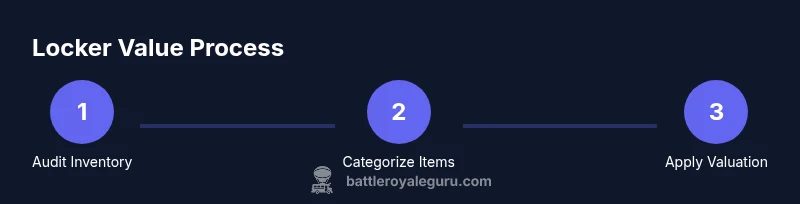
The following sections break down the practical steps to check your locker value, including inventory auditing, framework selection, item valuation, and aggregation. Each section keeps the focus on actionable actions you can take in about 15–20 minutes per major step, so you can complete a full valuation in an afternoon if you set aside a quiet block of time. Use the included templates and tips to stay consistent and avoid common pitfalls.
Tools & Materials
- Fortnite account with locker access(Log in and confirm you can view the full cosmetic catalog)
- Spreadsheet software (Excel, Google Sheets, etc.)(Create a clean sheet with item details and values)
- Device to access Fortnite(PC, console, or mobile device with Fortnite installed)
- Internet connection(Stable connection to load items, images, and references)
- Notepad or note-taking app (optional)(Quick scribbles and memory aids)
Steps
Estimated time: 60-120 minutes
- 1
Open locker inventory
Log in to Fortnite and navigate to the Locker or Cosmetic tab. Open your full item catalog so you can see every cosmetic you own. This foundational step ensures you won’t miss items later in the process.
Tip: Use the filter options to group items by type and rarity for faster review. - 2
List every item you own
Create a running list in your spreadsheet with each cosmetic’s name, type, rarity, and any notes about how you obtained it. Don’t skip seasonal items or battle pass cosmetics, as they contribute to overall value.
Tip: Include a column for whether the item is currently rare or legacy; this affects perceived value. - 3
Choose a valuation framework
Decide on a consistent approach: rarity-based, bundle-based, or a hybrid model. Document why you chose this method and how you will apply it to each item.
Tip: A hybrid model often works best, balancing rarity signals with original bundling context. - 4
Categorize items by type
Group items into skins, back blings, pickaxes, gliders, emotes, and wraps. This helps you apply category-specific adjustments and prevents overgeneralization.
Tip: Some items function as multiple cosmetics (e.g., a skin with a matching back bling); decide how you’ll value combinations. - 5
Assign base values per category
Within each category, assign a base value tier (low, mid, high) based on your chosen framework. Keep notes on why an item falls into a certain tier to explain your decisions later.
Tip: Avoid inflating low-tier items by comparing them to high-demand items; consistency is key. - 6
Apply adjustments for scarcity and popularity
Adjust item values for scarcity, returning events, or recent popularity. Rare or iconic items may justify a higher weighting in your framework.
Tip: Document the event or update that caused a value shift to maintain transparency. - 7
Total and sanity-check the ledger
Sum the values across all items, then review for obvious outliers or misclassifications. Reconcile any discrepancies by revisiting your framework notes.
Tip: If numbers don’t add up, re-check item type, tier, and whether the item should carry a bundle-derived value. - 8
Create a final value summary
Produce a concise summary that lists total locker value, top-valued items, and items that could be pruned to optimize your collection.
Tip: Save a copy of the valuation template for future updates. - 9
Review and revise after updates
Regularly revisit your valuation after patches, new releases, or seasonal rotations. Keep your process flexible to accommodate changes in the item ecosystem.
Tip: Set a quarterly reminder to re-validate your locker value.
Questions & Answers
What is Fortnite locker value?
Locker value is a practical estimate of the total worth of items in your Fortnite cosmetics collection. It combines factors like rarity, original price, and bundle context. It is not an official price from Epic Games, but a consistent framework helps you compare assets.
Locker value is an estimated total worth of your cosmetics, based on a consistent framework. It’s not an official price from Epic Games.
Why isn't locker value official?
Epic Games does not publish a formal valuation of players' lockers. Valuation systems are user-driven, focusing on consistency and usefulness for personal planning rather than official balance or resale figures.
There isn’t an official locker value published by Epic Games; valuations are user-driven and best used for planning.
How do I choose a valuation method?
Choose a framework that suits your goals—rarity-based, bundle-based, or a hybrid approach. Document the criteria and apply it uniformly to all items to avoid bias.
Pick a method that fits your goals—rarity, bundles, or a mix—and apply it consistently.
Can locker value change over time?
Yes. New cosmetics, re-releases, and shifts in popularity can alter item values. Regular recalibration helps keep your estimate accurate.
Absolutely. Updates and new items can shift values, so recheck periodically.
Should I include V-Bucks spent?
Locker value focuses on item worth rather than currency spent. You can note spend history separately, but it doesn’t typically change the item-based valuation.
You can track spend separately, but it doesn’t change the item-based value.
Are limited-time cosmetics worth more?
Limited-time cosmetics often carry higher perceived value due to scarcity, but this depends on whether they retain popularity or reappear later.
Limited items can be valuable, but it depends on ongoing demand and availability.
Watch Video
Key Points
- Audit your locker comprehensively before valuing.
- Use a consistent valuation framework across items.
- Document assumptions and updates for transparency.
- Treat locker value as a flexible planning tool, not a fixed price.
- Review valuations after major game updates or rotations.