How to Deal With Fortnite Sweats: A Practical Guide
A practical guide to handling sweaty Fortnite players with actionable tactics, focusing on positioning, builds, rotation, and mindset to win more fights without burnout.


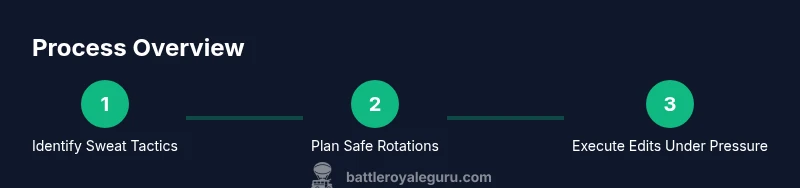
By the end of this guide, you'll know how to neutralize sweaty Fortnite opponents through better positioning, efficient building, smart rotation, and mental composure. You'll learn when to engage, how to pressure edits, and practical drills to improve aim and game sense—so you can win more fights without burning out.
Understanding Fortnite Sweat Dynamics
Sweats are players who maximize mechanical skill, speed, and consistency to pressure opponents relentlessly. They thrive in high-tempo scenarios, force quick decisions, and leverage aggressive edits to corner you. Understanding their core triggers—fast building, tight edits, and favorable disengage/engage timings—helps you plan safer routes through fights. If you want to learn how to deal with fortnite sweats, start by recognizing that their strength lies in tempo rather than raw accuracy alone. By slowing their charge and choosing when to engage, you can tilt the odds in your favor. This section lays the groundwork for adapting your playstyle to counter those high-pressure moments and turn tense duels into controlled outcomes.
Core Principles for Facing Sweats
Facing sweaty players hinges on a handful of transferable principles: preserve space, force mistakes, and optimize decision-making under pressure. According to Battle Royale Guru, the most reliable counter is to control the pace of the engagement rather than chasing every quick trade. Focus on three areas: positioning, escape routes, and disciplined commitment to fights you can win. Build a clear hierarchy of engagements—seek fights that allow you to reset, re-position, or disengage if the tempo shifts. Sweat-heavy rounds reward careful rotation and a patient approach more than frantic spray-and-pray tactics. By applying these principles consistently, you’ll reduce the swing factor that sweaty opponents rely on and create room to execute your own plan.
Pre-fight Prep: Gear, Settings, and Habits
Pre-fight preparation matters almost as much as in-fight skill. Start with reliable gear and stable settings that fit your comfort zone. Ensure you have a solid audio setup to hear footsteps and wall cracks, which helps you anticipate sweats’ moves. Ambiguous or inconsistent sensitivity can create lag in your edits, so lock in a steady setup and practice with it. Habits like a quick post-fight cooldown and a brief warm-up routine pre-queuing help you stay calm and focused when a sweaty opponent appears. Battle-tested players know that small, repeatable routines reduce hesitation under pressure and improve long-term performance.
In-fight Tactics: Build, Edit, and Aim Under Pressure
In-fight tactics center on three pillars: efficient building, precise edits, and deliberate aiming. When sweat pressure rises, use deliberate, compact builds to create safe space without overbuilding. Practice fast-edit combos in a controlled environment, then apply them under duress in real matches. Aim under pressure demands steady breathing and minimal hand motion—keep your crosshair steady and use tighter tracking on close targets. Use third-party shots when an angle becomes available, rather than forcing bold, risky plays. The goal is to convert a high-pressure moment into a controlled exchange where you maintain options rather than being boxed in by relentless aggression.
Map Control and Rotation Against Sweats
Map control is your compass in a sweaty game. Favor rotations that maximize cover and reduce exposure, such as hugging natural terrain and using late-stage circles to force mistakes rather than chasing an early skirmish. When you foresee a sweaty push, rotate preemptively to a position where you can cut off their approach or trap them in a limited angle. Understand common sweat routes—short, fast paths that predict their tempo—and mirror those patterns with smarter rotations. These adjustments reduce the effectiveness of sweats’ rush tactics and keep you in safer, more controllable battles.
Duo/Squad Dynamics Against Sweat Teams
In squad modes, communications and role clarity become critical against sweat teams. Assign roles such as primary engager, support with covering fire, and backline heal/carry to avoid overlap and confusion in chaotic fights. Use spacing to prevent simultaneous focus, and coordinate builds to deny opponents the opportunity to isolate a single player. Sweat teams excel in fast, synchronized pressure; break that synchronization with deliberate timing, crossfire windows, and well-timed disengages. Practicing these dynamics with your squad makes it much harder for high-tempo teams to overwhelm you in late-game scenarios.
Mental Toughness and Recovery After Fights
Sweats can test your patience and composure. After a tense exchange, take a brief pause to reset, re-anchor on your strategy, and avoid spiraling into frustration. Breathing techniques, a quick 10-second pause, and a simple post-match review help you maintain consistency across rounds. The focus should be on learning from each engagement—note what worked, what didn’t, and how you can adjust your approach next time. Mental resilience is as trainable as any mechanical skill and pays dividends when you face repeat sweaty pressure.
Drills You Can Practice Now
A structured practice routine accelerates improvement against sweats. Include drills that blend aim precision with rapid editing, and short, repeatable duels to reinforce decision speed. Use aim trainers and Fortnite's creative modes to simulate sweat pressure, then translate those drills into live matches with controlled tempo. Mix in cooldown periods to prevent fatigue and maintain sharp execution across sessions.
Troubleshooting Common Scenarios
Sweats can vary in approach: some rely on explosive starts, others on patient, repeated pressure. If you’re overwhelmed by a push, revert to safe space creation, then re-engage with a tighter angle. If you spot a sweat focusing on your build towers, shift to off-angle edits and lightweight rotation to regain control. Learn to anticipate patterns—sweats often reuse certain openings—so you can disrupt their rhythm before it compounds.
How to Apply the Strategy in Real Games
The practical application of these ideas comes down to consistent practice and smart game sense. Start each session with a warm-up to lock in your preferred sensitivity, followed by drills that target the most common sweat tactics: fast builds, quick edits, and aggressive rotations. In real games, prioritize safe fights, use the environment for cover, and choose engagements that let you reset when needed. Over time, your adaptability will grow, and sweaty players will lose some of their edge against a calmer, better-prepared you.
Tools & Materials
- Stable internet connection(Wired ethernet preferred for consistency during practice and matches)
- PC or console with Fortnite installed(Updated to latest patch; ensure storage and performance are adequate)
- Headphones with microphone(Clear audio for sound cues and teammate communication)
- Adjustable mouse sensitivity / controller settings(Lock in a comfortable DPI and sensitivity; avoid frequent changes mid-practice)
- Aim trainer map or practice range(Optional but recommended for dedicated aim drills)
- Notebook or digital log(Record patterns you notice and adjustments that work)
- Hydration and breaks(Short breaks prevent fatigue during longer practice sessions)
Steps
Estimated time: 60-90 minutes
- 1
Tune your settings
Lock in a stable sensitivity, map your keybinds, and enable consistent audio cues. Take 5 minutes to test across a few light duels. This stability reduces reaction delays when facing sweats.
Tip: Why: Consistency minimizes hesitations in high-pressure exchanges. - 2
Warm up properly
Do a 10-minute warm-up that blends aim drills with movement/edits. This primes your muscle memory and helps you stay calm when sweat pressure rises.
Tip: Pro tip: Use simple target drills followed by short live matches to bridge the gap between practice and real-game tempo. - 3
Prioritize position over kills
Enter fights with a plan to secure advantageous positions rather than hunting high-kill opportunities. This reduces exposure to sweats' tempo and keeps you in control.
Tip: Why: Positioning beats raw speed when facing skilled players. - 4
Read sweat patterns before engagement
Look for tells—build tempo, preferred angles, and retreat routes. Anticipating push angles lets you counter before they get clean shots.
Tip: Pro tip: Use sound cues and build edges to infer their next move. - 5
Master efficient builds and edits
Practice compact wall, ramp, and cone sequences. Combine quick edits with tight edits to counter sweat pressure without wasting resources.
Tip: Pro tip: Slow, precise edits often beat faster but sloppy ones. - 6
Rotate smartly and force mistakes
Move through safe paths and use natural terrain to deny line of sight. Force mistakes by controlling your own pace and exposing the opponent only when you have advantage.
Tip: Warning: Avoid over-rotating into unfavorable angles that sweep you into crossfire. - 7
Review and adapt after matches
After each game, note what worked and what didn’t against sweats. Adjust your strategy for the next session and keep a running improvement log.
Tip: Why: Small adjustments compound into big gains over time.
Questions & Answers
What defines a Fortnite sweat?
In Fortnite, a sweat is a highly skilled player who optimizes mechanics, speed, and consistency to pressure opponents. They excel in fast builds and tight edits, often pushing for quick exchanges. Recognizing these patterns helps you plan smarter counters.
Sweats are highly skilled players who push fast and keep constant pressure. Look for rapid builds and tight edits to identify them.
How can I counter sweat's building?
Countering fast builds involves smart positioning, using angles, and not chasing every wall. Focus on limiting their options by cutting off lines of sight and rotating to safer spots where you control the engagement.
Use angles and smart positioning to limit their walls and avoid getting boxed in.
What settings help against sweats?
Use comfortable sensitivity with stable aim across engagements. Adjust visual cues and keybinds so you can react quickly without overhauling your setup during a session.
Keep a stable sensitivity so you can react smoothly when sweat pressure rises.
Should I avoid fights with sweats?
Not always. Choose fights you’re prepared for and force momentum shifts on your terms. Sometimes disengaging and re-rotating is the smarter play than a bad all-in.
Sometimes it's smarter to disengage and re-position rather than chase every fight.
Which drills improve against sweats?
Drills that blend precise aim with fast editing and decision-making under pressure are most effective. Use aim trainers and creative maps to simulate sweat tempo before applying it in real matches.
Do drills that mix aiming with quick edits to mimic sweaty pressure.
What common mistakes should I avoid?
Overcommitting, poor rotations, poor audio awareness, and neglecting safe exit options lead to easy moments for sweats. Prioritize smarter choices over flashy plays.
Avoid overextending and poor rotations; use smarter, safer moves.
Watch Video
Key Points
- Anticipate sweat patterns to disrupt their tempo
- Prioritize positioning and safe rotations
- Practice consistent builds and edits under pressure
- Review matches to identify concrete improvements