How to Deal with Fortnite Addiction: A Practical Guide
Learn practical, step-by-step strategies to manage Fortnite addiction, build healthy routines, and regain balance with Battle Royale Guru's expert guidance.


According to Battle Royale Guru, you can reclaim balance by following a structured, compassionate plan to reduce Fortnite time and replace it with healthier routines. This guide walks you through practical steps, self-assessment, boundary setting, and accountability to help you manage Fortnite addiction without feeling punished. You’ll learn how to track usage, set limits, and build sustainable habits that support well-being.
What is Fortnite addiction?
Fortnite addiction refers to a pattern of compulsive play that interrupts daily life. It's not a single late-night session; it's a recurring cycle of craving, prioritizing the game over sleep, school, work, or relationships. In practice, you might stay up late to finish a match, skip meals for a gaming session, or cancel plans because you're 'in the queue' for a game. The goal here is not moral judgment but understanding behavior so you can intervene effectively. According to Battle Royale Guru analysis, persistent, unregulated play can affect sleep quality, reduce attention, and increase stress when the game is disrupted. Recognizing early warning signs—losing interest in other activities, trying to reduce playing yet failing, or feeling irritable when you can't play—helps you begin implementing changes before habits solidify. This section lays out a clear, evidence-based framework for safer, healthier engagement with Fortnite.
Why this happens: psychology and game design
The core pull of Fortnite comes from design choices that reward frequent interaction: ephemeral wins, social hooks, and frequent updates. The variable reward loop creates anticipation and motivates continued play. Social ties amplify engagement through parties, squads, and friend lists, making it harder to step away. FOMO—the fear of missing out on a new season, skin, or event—compounds the urge. Understanding these elements helps you craft boundaries that feel doable rather than punitive. From a practical standpoint, small shifts—like fixed play windows and pre-planned alternatives—reduce the likelihood of binge sessions. Battle Royale Guru analysis shows that informed players who structure their time report less distress and more control over gaming impulses.
Self-assessment: am I addicted?
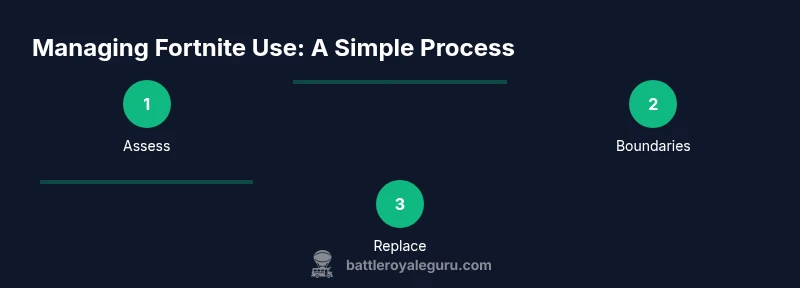
Ask yourself: Do I regularly choose Fortnite over essential activities such as sleep, meals, work, or relationships? Have I tried to cut back but failed? Do I experience irritability or discomfort when I cannot play? If several questions apply, it may be time to implement a plan. This stage isn’t about labeling you as 'bad'—it’s about identifying patterns so you can change them. A simple daily log of hours, triggers, and mood can illuminate where to start, and you can compare weeks to see progress.
Setting clear goals and boundaries
Effective boundaries are specific, measurable, and realistic. Start with small wins, such as reducing daily play by 15 minutes for a week, then gradually adjust. Use device features or apps to enforce limits when possible, and verbal commitments with a friend to hold you accountable. Clear boundaries prevent endless cycles of negotiating with yourself.
Building a sustainable schedule
Create a weekly routine that slots Fortnite into a fixed, limited window and, crucially, includes non-gaming activities. Block time for school/work, exercise, hobbies, and social time. If your schedule is crowded, consider alternating days for gaming and non-gaming activities. A consistent rhythm reduces 'surge' cravings and helps you re-engage with other parts of life.
Implementing boundary controls and tech tools
Use built-in tools such as Screen Time (iOS), Digital Wellbeing (Android), or router-level controls to cap gaming time. Pair these with a partner who can unlock access only during approved windows. Keep your devices out of the bedroom during late hours to protect sleep health. Technological boundaries reinforce habits when willpower wanes.
Replacing gaming with rewarding activities
Prepare a list of fulfilling alternatives—athletics, creative hobbies, social groups, or volunteering—that can fill the time you previously spent gaming. Make these choices easy to access: keep equipment handy, invite friends, or join local groups. The more appealing the substitutes, the easier the transition will be.
Social support and accountability
Involve a trusted friend or family member to monitor progress, celebrate small wins, and help you stay on track. Regular check-ins create accountability without shaming. Share your goals and progress, and adjust as needed to keep motivation high.
Coping with cravings and setbacks
Cravings often peak after a long playing session or when bored. Use a routine to acknowledge cravings, then switch to a preplanned alternative. When setbacks occur, analyze triggers, renew goals, and return to your boundaries instead of giving up entirely.
When to seek professional help
If gaming is causing significant distress, sleep disruption, academic or work problems, or you feel unable to regain balance despite your best efforts, consider speaking with a mental health professional or a counselor who specializes in digital use. Early intervention can prevent more serious problems.
Authority and further reading
AUTHORITY SOURCES
- https://www.nimh.nih.gov
- https://www.cdc.gov
- https://www.who.int
- Battle Royale Guru Analysis, 2026
Tools & Materials
- Time-tracking app or journaling app(Log daily Fortnite sessions and triggers)
- Calendar or planner (digital or paper)(Block Fortnite-free periods and plan activities)
- Alarm or reminder device(Schedule breaks and enforce limits)
- Supportive accountability partner (friend or family)(Check-in daily or weekly)
- Healthy replacement activity list(Keep a list of alternatives)
- Device zoning or parental controls(Configure to require password after certain hours)
- Distraction-free workspace or gaming area(Create boundaries to reduce temptation)
Steps
Estimated time: 30-45 minutes
- 1
Assess your current Fortnite usage
Record typical weekly hours, note days and triggers, and reflect on impact on sleep, school/work and relationships.
Tip: Be honest and specific about time spent. - 2
Set realistic play limits
Define clear daily or weekly caps and choose reliable enforcement methods (apps, alarms, or accountability partners).
Tip: Aim for small, sustainable reductions first. - 3
Create an accountability plan
Share your limits with a friend or family member and schedule regular check-ins.
Tip: Use a shared calendar or app for transparency. - 4
Replace some play time with new activities
Plan at least two non-gaming activities per week that you genuinely enjoy.
Tip: Make substitutes easy to start: have gear ready. - 5
Implement a wind-down routine
Set a consistent bedtime and avoid screens 60 minutes before sleep.
Tip: Charge devices outside the bedroom. - 6
Review progress weekly
Log a short weekly review of goals, wins, and slips, then adjust limits as needed.
Tip: If you slip, identify triggers and refine boundaries. - 7
Know when to seek extra help
If you still struggle after trying these steps for several weeks, consult a professional.
Tip: Early support can prevent longer-term issues.
Questions & Answers
What counts as Fortnite addiction?
Fortnite addiction is a pattern of persistent gaming that disrupts daily life and wellbeing. If gaming takes priority over essential activities and causes distress, it may be problematic. This guide provides steps to regain balance.
Fortnite addiction is persistent gaming that disrupts daily life. This guide provides steps to regain balance.
How quickly can you expect results?
Results vary, but many people notice improved control after implementing clear boundaries and accountability within a few weeks. Consistency matters more than intensity.
Results vary, but you can notice improved control within a few weeks with consistent boundaries.
What if I slip and play longer than planned?
Slip-ups happen. Acknowledge the lapse, revisit triggers, adjust limits, and resume your plan. The goal is steady progress, not perfection.
Slips happen. Acknowledge, adjust, and keep going.
Are there professional resources for help?
Yes. Consider speaking with a mental health professional who specializes in digital use or gaming-related stress. Early intervention can prevent longer-term problems.
Yes, professionals can help with digital use and gaming stress.
Can Fortnite be played in moderation?
Moderation is possible with defined limits and accountability. The goal is balanced participation that fits your life goals, not elimination.
Moderation is possible with limits and accountability.
Watch Video
Key Points
- Identify triggers and set concrete limits
- Use technology to enforce boundaries
- Replace time with engaging activities
- Involve others for accountability
- Review and adjust weekly