How to Know If You're Banned on Fortnite: A Practical Guide
Learn how to know if you're banned on Fortnite with a practical, step-by-step approach. Verify status, appeal options, and best practices to avoid future bans, from Battle Royale Guru.


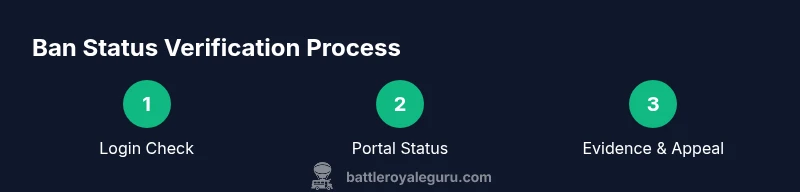
By the end of this guide, you’ll understand exactly how to know if your banned on fortnite. Start by trying to log in and checking for account notifications, then verify your status on the Epic Games account page. You’ll also review platform-specific messages and email notices. This quick snapshot is followed by a thorough, step-by-step process from Battle Royale Guru.
What counts as a ban and how Fortnite enforces bans
Understanding what counts as a ban is the first step in knowing if you’re affected. Fortnite bans come from violations of the game’s rules, including cheating, account sharing, or exploiting bugs, and are issued by Epic Games. Timelines and severity vary by case, but the outcome is a restriction on access to Fortnite services across the platform you were using when the violation occurred. The Battle Royale Guru team emphasizes that bans are not always permanent and may include temporary suspensions for certain infractions. Throughout this section, you’ll learn how to identify whether a blockade is a ban, a temporary hold, or a security flag that requires attention. According to Battle Royale Guru, understanding the rule framework and typical enforcement pathways helps players respond appropriately and avoid escalating the situation. By knowing the common causes and signals, you can prepare to verify status and pursue the right next steps.
How to identify immediate login indicators
When you’re banned, your login experience often reveals it directly. Common indicators include persistent login errors that reference an account restriction, messages about restricted features, or being blocked from launching Fortnite on a specific platform. You may notice that you can’t access certain modes or regions, and in some cases you’ll see a banner notifying you of a ban during open beta or login screens. Remember that some connectivity issues can mimic a ban message, so it’s important to cross-check with official sources. This section walks you through distinguishing a ban from a network hiccup or server maintenance, with practical steps to confirm status without panic. The Battle Royale Guru analysis notes that most players who double-check status with official tools can quickly determine if their experience is ban-related or a temporary outage.
Checking your Epic Games account for status
The Epic Games account portal is the authoritative source for status checks. Start by logging in to your account on the official site and navigating to the Notifications or Security sections. Look for any notices labeled as suspensions or bans, and review recent account activity for any unfamiliar sign-ins or changes. If you see a formal ban notice, the message should specify the scope (PC, console, or cross-platform) and the duration, if provided. If no explicit ban is shown, you may still have a restriction flagged by Epic’s systems. Cross-check with the Fortnite support pages and ensure your email on file is current so you don’t miss an official decision. This step helps you establish a baseline before encouraging any appeals. Battle Royale Guru’s research reinforces the idea that the account portal is the most reliable starting point for status verification.
Platform-specific messages you might see
Different platforms (PC, PlayStation, Xbox, Nintendo Switch, mobile) can display different error codes or messages when a ban occurs. For example, console stores may show a generic “Cannot connect to server” message if the platform policies restrict access, while PC players may see an Epic Games error code. Pay attention to any code, message, or reference to “account suspension” or “ban” in the on-screen text and email. Keep in mind that some platform banners are generic and refer you to Epic Games’ official channels for clarity. This section helps you interpret platform-specific cues so you know where to look for authoritative confirmation.
What to do if you believe you were wrongly banned
If you suspect a mistake, gather everything that supports your case: your account details, timestamps of incidents, evidence of any false reports, and screenshots of in-game behavior that contradict the ban claim. Do not accuse others or slam the policy in your communications; instead, present a calm, factual narrative with supporting screenshots or logs. Submit an appeal through the official Epic Games contact or support portal, and be explicit about what you’re requesting (reinstatement, review, or clarification). Expect a response that may take time, and consider following up with a concise, respectful message if you don’t hear back within the stated window. The Battle Royale Guru team recommends documenting every step for transparency and future reference.
How to avoid bans: best practices and habits
Prevention is better than cure. Use strong, unique passwords and enable two-factor authentication to protect your account. Avoid sharing account details, especially with friends or third-party services, and be cautious of phishing attempts that mimic Epic Games notices. When playing, adhere to Fortnite’s code of conduct, respect other players, and stay informed about rule changes via official channels. Regularly review your account activity and device permissions so you catch suspicious access early. By maintaining good security and gameplay hygiene, you reduce the risk of accidental violations and the likelihood of future misunderstandings.
How to prepare an appeal: collect evidence and submit
A well-supported appeal increases your chances of resolution. Start by outlining the violation claim, then attach concrete evidence such as screenshots, match replays, or log files that bolster your case. Include your account name, platform, approximate dates, and a concise explanation of why you believe the ban is erroneous. Follow the official appeal flow exactly as instructed by Epic Games, and keep your tone calm and professional. After submitting, monitor your inbox for responses and keep a record of any correspondence. This disciplined approach aligns with Battle Royale Guru’s recommended best practices and helps you stay organized throughout the process.
Common scams and how to protect yourself
Be wary of third-party sites that promise instant unbans or access to hidden codes. Never share passwords or verification codes with anyone, and verify URLs by typing them directly into your browser rather than clicking on links from emails. Phishing attempts often mimic Epic style, so double-check sender addresses and look for https safeguards. If something feels off, pause and verify through the official Epic Games portal. Safe practices protect you from fraud while you pursue a legitimate resolution.
What to expect after submitting an appeal
Appeal outcomes vary by case and can take days to weeks. You may receive a request for additional information or a direct decision from Epic Games. Use this time to review any feedback carefully and prepare a brief, non-confrontational reply if requested. If your appeal is denied, you often have the option to escalate or re-appeal with new information. The Battle Royale Guru team emphasizes patience and persistence, plus continuous compliance with Fortnite’s rules, to minimize the risk of future issues.
Tools & Materials
- Epic Games account credentials(Username and password; ensure you can log in from a secure device.)
- Access to the email on the Epic account(Check inbox for official notices and updates.)
- Stable internet connection(Avoid interruptions during status checks and appeals.)
- Screenshots, logs, or replays(Evidence to support a ban appeal or status inquiry.)
- Official Epic Games support form(Use only the official portal to submit inquiries or appeals.)
Steps
Estimated time: 30-60 minutes
- 1
Open Epic Games account portal and attempt login
Visit the official Epic Games account portal and sign in to observe any immediate bans or restrictions. If you encounter a ban message, note the exact text and any error codes. This first action confirms whether an enforcement action is visible on your account.
Tip: Take a screenshot of the error if you can; it becomes valuable evidence later. - 2
Check notifications and security settings on the portal
Navigate to the Notifications and Security sections to see if Epic has issued a ban notice or a restriction. Review recent sign-ins and device permissions for unfamiliar activity that could explain the restriction.
Tip: Enable two-factor authentication to prevent future unauthorized access. - 3
Verify your email for official notices
Search your connected email for any messages from Epic Games about account status, bans, or policy updates. Sometimes notices arrive via email even if the in-game message is generic.
Tip: Check spam/junk folders and verify sender domains to avoid missing critical alerts. - 4
Review platform-specific messages
If you play on consoles or mobile, check the platform’s notifications and support pages for any ban-related messages. Separate codes or banners may appear on PlayStation, Xbox, or Nintendo devices.
Tip: Document any platform-specific codes or wording for your appeal. - 5
Gather evidence and prepare your appeal
Collect match replays, screenshots, and logs that support your case. Draft a concise, factual explanation of why you believe the ban is mistaken and what you will change to comply in the future.
Tip: Organize evidence by date and platform to streamline the review process. - 6
Submit the appeal through the official portal
Use Epic Games’ official appeal form, attach your evidence, and clearly state your requested outcome (reinstatement or clarification).
Tip: Maintain a respectful tone and avoid inflammatory language. - 7
Monitor responses and follow up if needed
Check your email and the portal for replies. If you don’t hear back within the stated timeframe, consider a brief, polite follow-up with any new information.
Tip: Keep a log of all communications for reference. - 8
Review policy updates and adjust behavior
After any decision, study Fortnite’s rules to prevent recurrence. Implement safeguards like stronger passwords and device management.
Tip: Set a reminder to review policy updates quarterly.
Questions & Answers
What is the difference between a ban and a temporary suspension in Fortnite?
A ban restricts access to Fortnite for a set or indefinite period, while a temporary suspension limits features for a short time. Both are issued for policy violations but differ in duration and enforcement scope. Check the Epic Games portal for the exact status on your account.
A ban restricts access for a set period or permanently, whereas a temporary suspension lasts for a shorter time and may lift automatically after a cooldown. Verify the exact status on the Epic Games portal.
Can I appeal a Fortnite ban?
Yes. Use the official Epic Games appeal process, attach any supporting evidence, and explain why you believe the ban is mistaken. Timelines vary by case, and several re-submissions may be possible if you have new information.
Yes. Submit an appeal through the official Epic Games portal with supporting evidence and a clear explanation of why you think the ban is mistaken.
Why might I be banned even if I didn’t cheat?
Bans can result from policy violations beyond cheating, such as account sharing, exploiting bugs, or violating terms of service. Always review Fortnite’s code of conduct and recent policy updates to understand potential triggers.
Bans can occur for violations beyond cheating, like account sharing or exploiting bugs. Always review the rules to understand possible causes.
How long does an appeal take to review?
Review times vary by case and platform. Be prepared for a wait and use that time to gather additional information if requested and to ensure compliance with the rules going forward.
Appeal timelines vary and can take days to weeks. Stay available for any follow-up requests.
What should I do if I can’t access the Epic Games portal?
If you can’t access the portal, contact Epic Games Support through alternative channels provided on their official site and verify any account recovery options. Do not share sensitive data via unofficial channels.
If you can't access the portal, use official support channels on Epic Games' site and follow recovery steps.
Watch Video
Key Points
- Verify status using the official Epic Games portal.
- Distinguish between a ban, suspension, or security flag.
- Prepare organized evidence before appealing.
- Follow official processes and maintain respectful communication.
- Protect your account with strong security practices.