Fortnite Guide: Master Battle Royale in 2026 Update
Learn a practical, step-by-step Fortnite guide with drills for building, aiming, rotations, and endgame strategy. Battle Royale Guru shares proven methods to win more matches in 2026 across solos, duos, and squads.


In this Fortnite guide, you will learn practical, actionable steps to improve your Battle Royale performance: land smarter, build faster, manage resources, and pick fights strategically. You'll see a clear path from fundamentals to advanced drills, with tips you can apply in your next match. The Battle Royale Guru team shares proven methods to boost consistency and win more solo, duo, or squad games.
What Fortnite Is and Why Mastery Matters
According to Battle Royale Guru, Fortnite is a skill-based battle royale that blends fast-paced shooting with high-stakes building and editing. The arena rewards players who combine map knowledge, resource management, and split-second decisions. For fortnite players aiming to improve, mastery means turning rough reflexes into repeatable habits: landing in safe zones, prioritizing loot with purpose, and planning rotations before the zone tightens. The game evolves with patches, but core principles stay constant: control your encounters, optimize your resources, and practice precise edits under pressure. This section lays out the big-picture ideas you should internalize before diving into drills or match play. By focusing on predictable routines—early game decisions, midgame positioning, and endgame execution—you set yourself up for better outcomes in solos, duos, and squads. The goal is not perfection in every match, but consistent progress across sessions, with deliberate practice guiding your improvement curve. This guide helps fortnite players build a personal training plan that fits their schedule and skill level, while acknowledging patches and meta shifts.
Core Mechanics: Building, Combat, and Positioning
Fortnite challenges players to master three core pillars: building, combat, and positioning. Building is not just about placing walls; it's about tempo — creating space, defending edits, and accelerating through fights. Combat hinges on aim control, weapon choice, recoil management, and decision-making about when to disengage. Positioning determines who has the high ground, what angles are available, and how long you can sustain an encounter. Practice should blend these elements: drill builds at safe speed, then progressively add edits; train with aim exercises; and always scout the terrain before engaging. A practical rule: win fights with better positioning more often than with luck. At high-level play, players win by sequencing their builds with their shots, not by fearless rushing. This section emphasizes the need for a balanced routine that you can repeat during practice sessions and live matches.
Land Strategy and Rotation: How to Pick the Right Drop
Where you drop shapes every moment of the game. Start with a drop location that provides reliable loot but manageable early conflict, then map your rotation to the circle. Reading the flight path and potential third-party risks helps you reach the first circle with minimal chaos. As you improve, you’ll alternate between safe, loot-rich zones and riskier but high-reward areas based on squad size and comfort with contested fights. The key is to keep your loot profile consistent and avoid getting stuck in bad fights before you can gear up. Fortify your plan with transport options, such as mobility items, to reposition efficiently as the circle closes. A steady rotation strategy reduces unpredictable outcomes and makes late-game decisions clearer.
Resource Management and Loadouts: Materials, Weapons, and Timing
Materials (wood, brick, metal) are your currency for defense and space; farming speed and material types influence how you escape fights and frame fights. Weapons should balance versatility and power for different ranges, while healing and shields keep your health window open in contested moments. The best loadout blends a reliable shotgun or smg for close quarters, an intermediate-range rifle, and enough builds and mats to contest a final stand. Manage your inventory with a simple rule: always have a build resource buffer and a quick-heal option. Timing matters—farming early and rotating with sufficient supplies increases your odds of surviving the mid and endgame skirmishes. This section helps fortnite players optimize their equipment through practical loadout templates and farming habits.
Drills and Practice Plans: How to Train Efficiently
Structured drills drive the improvement you want in fortnite. Start with a weekly plan that blends 2–3 build/edit drills, 1 aim-focused session, and a review of replays. Use Creative mode to isolate mechanics and practice under pressure, then translate those drills into real matches. A simple routine could be 15 minutes of fast-edit practice, 20 minutes of aim drills, and 25 minutes of endgame scenario reps. Schedule a weekly replay analysis to identify where you over- or under-rotated and adjust your drills accordingly. Consistency matters more than intensity, so aim for steady progress across multiple weeks.
Authority Sources
For further reading on gaming performance and healthy play, consider these reputable sources:
- https://www.apa.org/topics/video-games
- https://www.nih.gov/news-events/nih-research-matters/video-games-brain
- https://www.cdc.gov/healthyyouth/physicalactivity/index.htm
Next Steps: Practice Plan and Routines
To turn this guidance into action, create a 4-week practice cycle that increases intensity gradually. Week 1 focuses on establishing consistent landings and loot routes, Week 2 adds building edits with basic combat drills, Week 3 introduces endgame positioning and rotation drills, and Week 4 emphasizes review and adjustment based on replay analysis. Track progress with a simple log and set 1–2 clear improvement goals per week.
Tools & Materials
- Fortnite-capable PC or console(Stable frame rate (60+ FPS) for smooth edits and builds)
- Stable internet connection(Low latency; at least 15 Mbps recommended)
- Keyboard and mouse or controller(Personal preference; ensure consistent grip and responsiveness)
- Headset with microphone(Clear communication in squads and guidance during drills)
- Second screen or mobile device(Reference guides, maps, or replay reviews while playing)
- Notepad or digital notes(Record drill outcomes and plan improvements)
Steps
Estimated time: 60-90 minutes
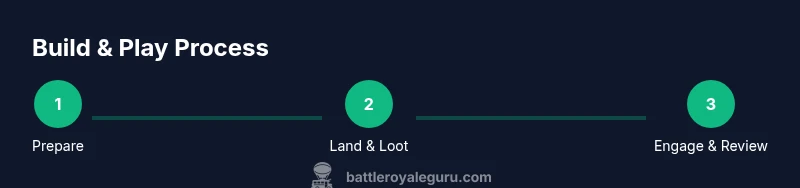
- 1
Prepare your setup
Configure sensitivity, keybinds, and HUD elements so you can react quickly. A stable setup minimizes misdrops and accidental builds during tense moments.
Tip: Test settings in a Creative match to ensure comfort before real games. - 2
Pick a purposeful landing
Choose a drop that offers reliable loot with low risk of immediate confrontation. Early safety buys you time to loot and plan rotations without unnecessary fights.
Tip: Consult the map for crowded hotspots and avoid them in the first minute. - 3
Loot with intent
Aim for a balanced loadout: primary weapon, secondary option, healing/shields, and enough mats. Skip junk that won’t improve your chances in the midgame.
Tip: Create a quick loot route and stick to it to save time. - 4
Build basics and edits
Practice simple wall-ramp-floor sequences and quick edits. Build tempo matters—faster edits create safer escapes and better angles.
Tip: Use sandbox drills to push edits to 2x speed or faster. - 5
Engage fights strategically
Filter fights by position and risk. Favor high ground and favorable angles; avoid unnecessary exchanges that drain mats and health.
Tip: Look for third-party opportunities to maximize eliminations with less risk. - 6
Endgame rotation
Monitor the shrinking circle and conserve mats for the final stand. Positioning often matters more than raw aim in late game.
Tip: Aim to secure high ground when possible and cut off retreat routes. - 7
Review and adjust
Watch replays to identify recurring mistakes and strengths. Schedule focused practice on one or two improvements per week.
Tip: Note a concrete improvement goal from each replay to guide next drills.
Questions & Answers
What is Fortnite and why is it popular?
Fortnite blends fast-paced shooting with dynamic building and editing. Its evolving map and seasonal updates reward strategic thinking and practice, making consistent improvement possible for players at any level.
Fortnite mixes shooting with building, and regular updates reward smart practice. You can improve with structured drills and review.
Should I focus on building or aiming first?
Both building and aiming matter, but beginners should establish solid building basics and aim control in tandem. Prioritize comfortable edits and reliable aim before pushing risky fights.
Start with building basics and steady aiming; refine both together as you improve.
What are essential early-game strategies?
Choose landing zones with balanced loot and lower confrontation risk. Loot efficiently, secure a reliable weapon, and plan your first rotation to reach the safe zone with minimal encounters.
Pick a safer drop, loot quickly, and plan your first move toward the circle.
How can I improve editing speed?
Practice in Creative mode daily, using short drills that require rapid edits. Combine wall and ramp edits with quick rotation to simulate combat pressure.
Practice edits in Creative mode to build muscle memory and speed.
Which platforms run Fortnite well?
Fortnite runs on multiple platforms; choose the device you can play consistently with good latency and steady performance. Crossplay is supported, so you can team with friends on other devices.
Fortnite runs on many devices; pick one with stable performance and latency.
How do I track progress?
Keep a simple practice log: drills completed, wins, and replays reviewed. Review outcomes weekly to identify patterns and adjust your drill plan.
Keep a practice log and review weekly to see your progress.
Watch Video
Key Points
- Master core Fortnite mechanics through structured drills
- Build and edit speed determines endgame outcomes
- Plan drops, loot, and rotations to reduce risk
- Review replays to drive continuous improvement
- Practice regularly with a clear drill schedule