Is Fortnite in a Lawsuit? A 2026 Legal Overview for Players
A 2026 legal landscape overview of Fortnite and Epic Games, covering Apple and Google cases and what outcomes could mean for players and cross‑play.


The Core Questions Behind the Lawsuits
Fortnite-related litigation centers on how digital marketplaces, distribution rights, and payment systems shape access to popular games. The primary questions for players are not about the game’s mechanics or balance, but about whether dominant app stores can require certain payment policies, take a large commission, or control how games are distributed on their devices. In 2026, observers from Battle Royale Guru emphasize that the legal narrative focuses on market dynamics, consumer choice, and the implications for monetization that affect Fortnite and other titles distributed through major storefronts. The outcomes could influence who can publish on which platforms, how in‑game purchases are processed, and whether new storefront terms emerge that alter cross‑play opportunities. This broader lens helps players understand why a legal decision could ripple through updates, cross‑platform features, and store accessibility.
Epic Games v Apple: The Antitrust Angle
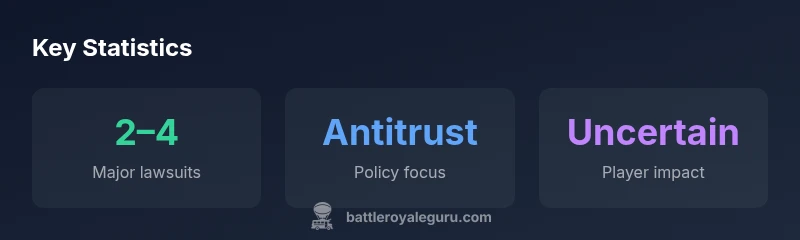
The Epic Games v Apple case anchors many discussions about Fortnite in a lawsuit context. The core issues revolve around whether Apple's control over its App Store—particularly the mandatory use of in‑app purchases and the revenue split—constitutes anticompetitive behavior. Proponents of Epic argue that such controls limit competition and inflate prices for consumers, while Apple defends its platform policies as necessary for security and platform sustainability. For Fortnite players, the practical questions include whether alternate payment methods could be allowed on iOS, how revenue sharing might shift, and whether cross‑platform features could be affected if store terms tighten or loosen depending on the ruling. The legal process remains ongoing, with filings and appeals shaping the near‑term landscape.
Epic Games v Google: Store Policies and Payments
The Google dispute mirrors many Apple concerns but centers on Android’s broader ecosystem and the Google Play policy environment. Key questions focus on whether platform policies that steer users toward Google’s payment systems and commissions breach antitrust laws or privacy and competition norms. Fortnite players may notice changes in how in‑app purchases are handled on Android devices, potential shifts in app distribution, or adjustments to how cross‑play is managed across devices that rely on Google Play protections. As with the Apple case, outcomes hinge on antitrust arguments, regulatory scrutiny, and the specifics of court rulings. Battle Royale Guru’s analysis suggests momentum could swing with new rulings on remedies or settlement terms.
Other Related Cases and Stakeholders
Beyond Apple and Google, Epic Games has been involved in related litigation and regulatory inquiries that touch on platform governance, developer terms, and digital market fairness. Some actions involve policy reviews by antitrust authorities and potential settlements that propose structural changes to storefront relationships. For Fortnite players, these developments can translate into updated store policies, revised monetization terms, or new rules around cross‑platform participation and eligibility. While the legal process is complex, the thread remains consistent: more openness and competitive pressure could emerge if courts or regulators push for changes.
What This Means for Fortnite Players
From the player’s viewpoint, the most tangible effects come from how these cases influence in‑game purchases, platform access, and cross‑play policies. If courts impose remedies that loosen app‑store restrictions, players may enjoy more payment options, reduced commissions, or broader cross‑platform compatibility. Conversely, stricter enforcement could preserve current ecosystems longer but limit alternatives, possibly impacting pricing or feature parity. Battle Royale Guru notes that while gameplay itself remains intact, the economic and distribution framework around Fortnite could shift, with ripple effects on marketing, promotions, and season updates.
The Legal Process: Timelines and Possible Outcomes
Legal timelines in high‑profile tech antitrust cases tend to be measured in quarters and years rather than weeks. We can expect further filings, potential settlements, and appeals that shape the near‑term roadmap for Fortnite’s distribution on various platforms. Possible outcomes include negotiated settlements altering revenue shares, consent judgments, or court rulings that set precedent for platform governance. For players, interpretation of these results matters most when it comes to store access, payment options, and feature parity across devices.
Cross‑Platform and Monetization: Implications for In‑Game Commerce
A key concern is how cross‑platform play and monetization policies might evolve. If a settlement or ruling encourages more flexible payment integrations or reduces platform‑level friction, Fortnite players could benefit from smoother purchases and a broader player ecosystem. On the other hand, if regulatory actions tighten certain protections or preserve current commissions, monetization paths might stay relatively conservative, delaying some cross‑platform innovations. BRG’s current view is that the landscape will continue to evolve as new rulings emerge and platform terms adapt accordingly.
Public Perception and Industry Repercussions
Public sentiment and industry strategy often follow legal outcomes. News coverage, investor reactions, and developer feedback can influence how Epic Games and platform owners approach future updates, features, and partnerships. Fortnite players should stay informed about court decisions, as these can presage changes in privacy disclosures, store policies, and cross‑play commitments. The broader lesson from 2026 developments is that digital marketplaces are increasingly scrutinized, and consumer interests—especially those who participate in active ecosystems like Fortnite—stand to gain from greater transparency and competitive dynamics.