How to Get Started Playing Fortnite: A Complete Beginner's Guide
Learn how to get started playing Fortnite with a practical, step-by-step approach. Platform setup, controls, first matches, and steady progression tips for new players.


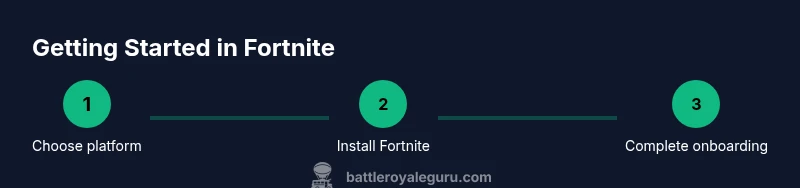
Here’s how to get started playing fortnite: pick a platform, sign in to Epic Games, and complete the official onboarding. This guide walks you through setup, basic controls, first match etiquette, and progression steps so you can start playing confidently. It covers selecting graphics settings, joining squads or solos, and beginner tips to avoid common mistakes.
Fortnite essentials: the core idea and game modes
Fortnite is a fast-paced, 100-player battle royale that blends shooting, building, and strategy. According to Battle Royale Guru, understanding the core loop—land, loot, build, and survive—will help you get started quickly. The game offers several modes (Battle Royale, Creative, and Special Limited Modes) that cater to different playstyles. This guide focuses on the Battle Royale mode for beginners, while noting how Creative can help you practice building and aiming.
In Battle Royale, a match drops you onto an island with up to 100 players. Your goal is to be the last one standing by gathering resources, crafting structures, and using weapons and items to outplay opponents. Key concepts for newcomers include the importance of landing spots, looting efficiently, managing shield and health, and using builds to gain high ground. The learning curve is real, but you can accelerate your progress by practicing in controlled settings and following a steady routine. Battle Royale Guru's approach emphasizes deliberate, repeatable steps: loot, build, rotate, and engage when you have an advantage. For most beginners, the simplest path is to focus on survival in the early game, gradually integrating building and aim into your play as you gain experience.
Setup: choosing a platform and creating your account
To start playing Fortnite, you’ll first decide where you’ll play: PC, Mac, PlayStation, Xbox, Nintendo Switch, or mobile devices. The official onboarding assumes you have an Epic Games account; if you don’t, create one and link any platform accounts you’ll use. Enabling two-factor authentication adds an extra layer of security, and checking your parental controls (if applicable) helps ensure appropriate access for younger players. Once you’re signed in, you’ll be invited to complete a quick onboarding tutorial that introduces the combat, building, and looting flow. According to the Battle Royale Guru team, completing onboarding early reduces frustration and speeds up your learning curve. After onboarding, you can select a language, adjust audio levels, and set up push-to-talk for team play. As you prepare to jump into matches, confirm your connection stability and close bandwidth-heavy applications to minimize lag and drop-offs during intense moments. When thinking about how to get started playing fortnite, remember that your first goal is to reach a comfortable baseline of settings and controls before you attempt higher-difficulty modes.
If you’re a new player, prioritize practicing on the platform you’ll use most, whether that’s keyboard and mouse, a controller, or touch controls. This consistency helps you learn faster and reduces confusion when switching between games or modes. The onboarding experience is designed to show you the basics quickly, so you can move from learning to actually playing within a short session. The Battle Royale Guru analysis shows that a structured, repeatable onboarding routine leads to quicker competence.
Core controls and build basics
Fortnite’s control scheme varies slightly by platform, but the core actions remain the same: move, aim, shoot, sprint, crouch, and build. Build mode is central to the experience; you’ll place walls, floors, stairs, and ramps to gain high ground and protect yourself. Materials come in three tiers—wood, brick, and metal—each with different durability and build speed. Beginners should start with low-stakes practice in Creative mode or in the early stages of a Battle Royale match to learn switching between weapons and structures on the fly. A good rule of thumb is to start with simple builds to protect yourself during combat, then gradually layer more complex builds as you gain confidence. If you’re playing on a console, consider enabling assist features or aim assist if available, and adjust sensitivity so you can track enemies without overcompensating. On PC, experiment with different keyboard bindings and mouse DPI settings to find what feels natural. The goal is to be able to react quickly without thinking through every movement step during a tense fight.
As you practice, focus on three foundational habits: quick weapon switching, rapid building to create cover, and using terrain to your advantage. Building on the fly can be tricky, but with deliberate practice you’ll learn to weave building into fights rather than treating it as a chore. Remember to stay aware of safe zones and rotate when possible to avoid getting pinched between opponents. The early learning phase is about building muscle memory for essential actions so you can execute them instinctively in real matches.
Movement, aim, and combat fundamentals
Movement efficiency is as important as aiming. Practicing smooth strafing, jumping, and crouching helps you dodge shots while maintaining control of your own aim. In Fortnite, you’ll often need to reset your position after taking damage, so learning to quickly retreat to safe cover or high ground is a key survival skill. Aiming well requires choosing the right weapon for the situation: short-range fights benefit from shotguns and SMGs, while longer engagements favor assault rifles or sniper rifles depending on your comfort and upgrade path. Don’t be afraid to disengage from unfavorable engagements and reposition to a better angle. Communication with teammates is critical in team modes; use pings and short callouts to coordinate movements, loot routes, and encroaching zones. As you progress, you’ll notice that the right loadout changes with your playstyle and the current season’s balance. The ongoing adaptation is part of Fortnite’s appeal and challenge. Stay curious about what each weapon and item does, and practice in low-pressure environments to build consistent habits.
Building mechanics explained
Building is the backbone of Fortnite’s strategic depth. At a high level, you’ll gather resources and construct structures for defense, offense, and movement. Wood is quick to build but less durable, brick is a middle-ground, and metal is strongest but slower to construct. A common beginner tactic is to create a small defensive box during a fight, then quickly switch to a cone or ramp to gain high ground or block an enemy’s line of sight. As you gain materials and confidence, you’ll begin to combine walls, floors, and stairs to create complex structures that are harder to counter. Practicing quick edits—like editing a wall to create a window or door—helps you adapt to changing combat scenarios. Spending time in Creative mode or custom lobbies to rehearse builds before you play in a live match will pay off in real battles. The key is to practice a few core builds until they become second nature, then add new techniques gradually to your repertoire. Regular practice with building will dramatically increase your survivability and effectiveness in fights.
First game flow: from landing to survival
For beginners, where you land sets the tone for the rest of the match. Choose locations that offer loot variety and manageable risk, and avoid crowded areas in the opening minutes. Loot efficiently by prioritizing shield items, healing, and a reliable weapon. Early survival often hinges on a balance between aggression and caution: push when you have an advantage, back off when you’re outmatched. Use terrain and structures to protect yourself while you reposition for fights. Listening for enemies can give you a big advantage, so keep audio cues high in your settings and wear headphones if possible. Remember that most players are learning too, so don’t be discouraged by early defeats. Each game is an opportunity to refine your landing choice, looting route, and positioning for future matches.
The early game is about steady decision-making rather than flashy plays. As you gain comfort, you’ll begin to anticipate zones, track opponents, and use your builds to create advantageous lines of retreat or engagement. The first few matches are about learning the rhythm of the map, the available loot pools, and how to pace your pushes without burning through resources too quickly. With patience and repetition, you’ll gain consistency and confidence in your choices as the match unfolds.
Progression, cosmetics, and tips to improve
Fortnite’s progression system rewards you for participation in matches, completing challenges, and advancing through seasons. Earning XP for daily and weekly tasks helps unlock cosmetic rewards, seasonal battle passes, and extra in-game content. As you advance, you’ll notice your decision-making becoming more deliberate: you’ll know when to fight, when to run, and how to leverage builds to protect yourself while relocating to safer zones. A practical way to speed up learning is to set small, measurable goals for each session—for example, “finish three looting routes without getting eliminated” or “land at a specific spot and survive five minutes.” Regular practice in both Battle Royale and Creative modes accelerates improvement by exposing you to varied scenarios and weapon sets. In addition, coordinating with teammates to complete cooperative challenges can reinforce teamwork and map awareness. The Battle Royale Guru team emphasizes a structured routine: practice, review, and adjust your loadout and tactics after each session. This reflective loop is essential to making steady progress across seasons.
Common beginner mistakes and how to avoid them
Even seasoned players make avoidable errors when they’re learning a new season or map. Common beginner mistakes include overbuilding in the open, sprinting headlong into fights without a plan, and ignoring shield or health pickups. Another frequent trap is looting too slowly and missing out on key items. To prevent these, adopt a simple, repeatable routine for every game: quick landing, efficient loot with a priority on shields, a quick build shield wall when under pressure, and a calm rotation to the next safe zone. Try to limit you to one “big decision” per minute to avoid tunnel vision, and practice keeping your crosshair steady while editing. Finally, avoid chasing every flashy weapon or item—instead, pick a reliable loadout and stick with it until you’re comfortable switching to a better option. Patience and consistency beat aggressive but unfocused play in the early days of Fortnite.
How to stay motivated and practice effectively
The most important factor in getting better is consistent practice. Set aside dedicated time for Fortnite and treat it as a skill-building activity rather than a quick win. Use a mix of quick games to keep momentum and longer sessions to work on mechanics like building and aim. Track your progress by noting your wins, defeated players, and areas where you improve each session. This kind of structured approach helps you see tangible gains and keeps you motivated to keep learning. Finally, engage with the community through guides, streams, and official updates; staying informed about balance changes and new content will help you adapt quickly and maintain a growth mindset.
Final thoughts and next steps
Getting started playing fortnite is an accessible, repeatable process that rewards steady practice and thoughtful play. As you follow the onboarding steps, tailor your settings to your platform, and build a simple habit of practicing building and aiming, you’ll see your performance rise over time. The Battle Royale Guru team recommends staying curious, experimenting with different strategies, and recording quick reflections after each session to accelerate improvement. If you commit to a regular practice routine and stay engaged with the community, you’ll move from beginner to competent player more quickly than you might expect.
Tools & Materials
- Platform device (PC, Mac, console, or mobile)(Choose the device you’ll use most for Fortnite and stick with it for consistency.)
- Epic Games account(Needed to download and play Fortnite; enables cross-platform linking.)
- Stable internet connection(Wired ethernet is preferred for PC; stable Wi-Fi works for consoles and mobile.)
- Headset with microphone(Helps in communication during team play and for spatial audio cues.)
- Input device of your choice (keyboard/mouse or controller)(Stick with one setup initially to build muscle memory.)
Steps
Estimated time: 60-90 minutes
- 1
Create or sign in to an Epic Games account
If you don’t already have an account, sign up and verify your email. Link the platform accounts you’ll use to play Fortnite so progress carries across devices. This step unlocks access to the game, saves, and future purchases.
Tip: Enable two-factor authentication to secure your account. - 2
Choose your platform and install Fortnite
Select the device you’ll play on and install Fortnite from the official store or launcher. Ensure you meet minimum storage requirements and have the latest patch installed before you start.
Tip: Use a wired connection when possible to minimize latency. - 3
Run the onboarding tutorial and adjust settings
Complete the in-game onboarding to learn basic controls and the looting/building loop. Tweak graphics, audio, and input sensitivity to fit your comfort level.
Tip: Set a comfortable aim sensitivity and enable aim assist if applicable. - 4
Practice in Creative mode or the lower-stakes modes
Spend time in Creative mode to practice building, editing, and weapon handling without pressure from opponents. Use training maps or guided practice sessions to build fundamentals.
Tip: Focus on three Build actions (wall, ramp, floor) and two edits per session. - 5
Jump into your first Battle Royale match with a simple plan
Choose a low-traffic landing spot, loot for shields and a reliable weapon, and survive the early rounds by prioritizing safe rotations.
Tip: Avoid rushing fights early; time your engagements after you’ve secured basic gear. - 6
Review and adjust after each session
Reflect on what went well and what didn’t. Note areas to improve (looting path, positioning, building flow) and set a specific goal for your next session.
Tip: Keep a short practice log to monitor progress over time.
Questions & Answers
Do I need to buy Fortnite to start playing?
Fortnite is free-to-play, so you can start without an initial purchase. Optional cosmetic items and the Battle Pass are paid if you want extra rewards.
Fortnite is free to play. You can start without paying, and optional cosmetics or the Battle Pass can be purchased later if you want extra rewards.
Can I play Fortnite on mobile devices?
Yes, Fortnite supports mobile devices, though performance will vary by device. Ensure you’re on a stable network and install the latest version from the official store.
Yes, you can play Fortnite on mobile, but performance depends on your device. Update the game and play on a stable network for the best experience.
What’s the best way to improve quickly as a beginner?
Focus on consistent practice, use Creative maps to drill building and aim, keep a simple loadout, and review each session to set targeted goals.
The fastest improvement comes from consistent practice, Creative drills, and reviewing what you learned after each session.
Should I play solo, duo, or squad as a beginner?
Starting in solo helps you learn fundamentals alone, while duo or squad play improves coordination and decision-making with teammates. Pick one approach and stick with it until you’re comfortable.
Start with solo to learn fundamentals, then try duo or squad to build teamwork skills as you improve.
How long should a beginner play per session?
Begin with short, focused sessions (30-60 minutes) to avoid fatigue. Gradually extend as your focus and comfort grow, but prioritize consistency over marathon sessions.
Start with 30 to 60 minutes per session and increase gradually as you feel comfortable and focused.
Is there a recommended learning path for new players?
Yes. Start with onboarding, practice basic controls, then move to Creative drills, followed by low-pressure Battle Royale matches, and finally add rotations and aiming techniques.
There’s a simple path: onboarding, basic controls, Creative practice, low-risk matches, then advanced tactics.
Watch Video
Key Points
- Choose a platform and sign in to Epic Games first.
- Complete onboarding and adjust core settings before your first match.
- Practice basic building and aiming in Creative or training modes.
- Loot for shields and a simple weapon, then rotate to the safe zone.
- Review your sessions to identify concrete improvement steps.